How to Incorporate Print into Your Marketing Strategy

admin • July 8, 2022

As the marketing world continues to evolve, print still has a place in many successful marketing strategies. It allows you to target a specific audience with laser precision and deliver a tangible message that can be kept for future reference. It also offers credibility that digital channels can struggle to match.

Here are a few tips on how to incorporate print into your marketing plan and where you can seek professional printing in Fulham.

Utilise Print as Part of an Omni-Channel Approach

While digital channels are important, don’t forget about print! Adopt an omnichannel approach that relies on various channels to provide clients with a seamless customer experience. Incorporating print into your overall marketing strategy can help you reach consumers differently and create a more well-rounded campaign.

Get Creative with Print Materials

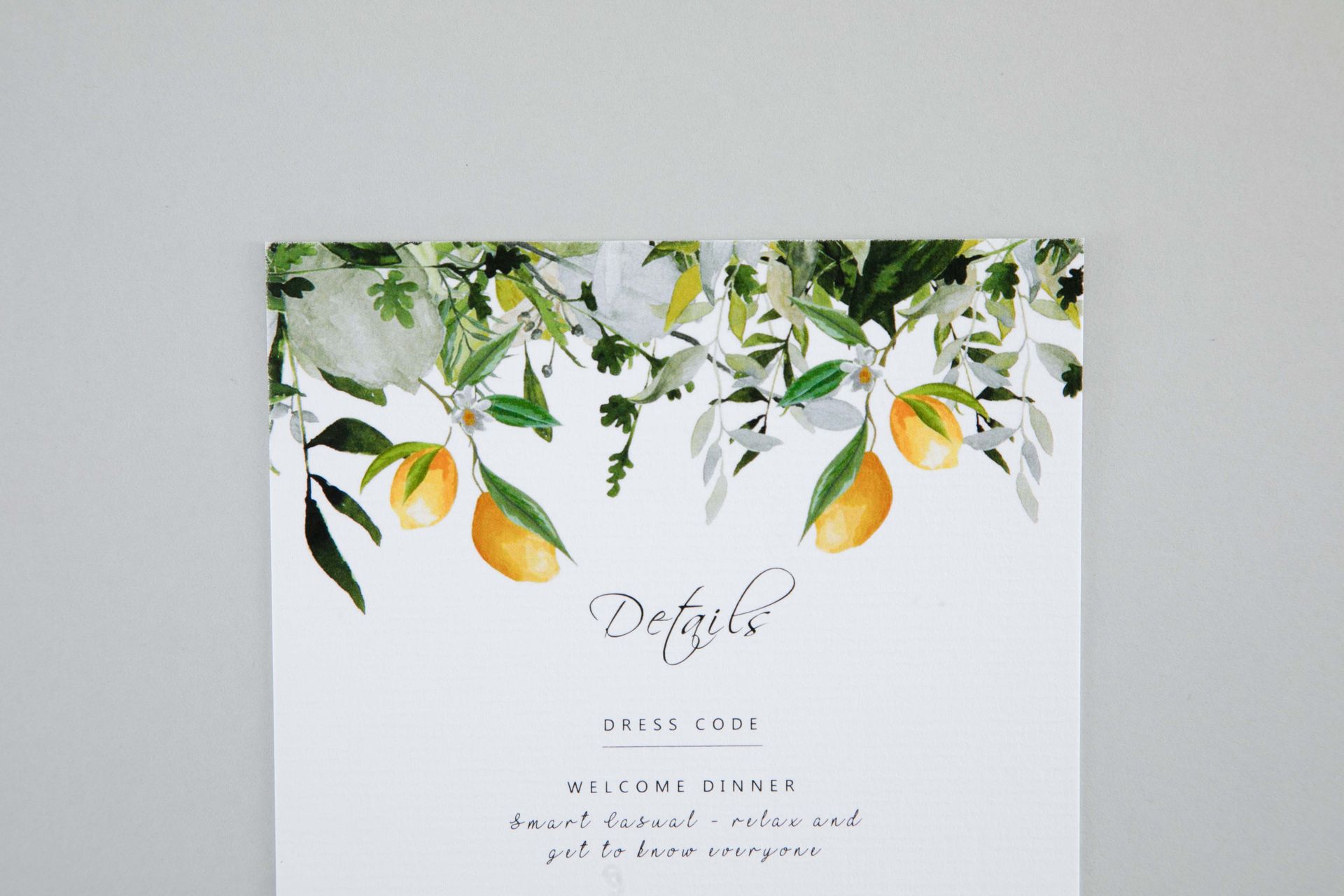
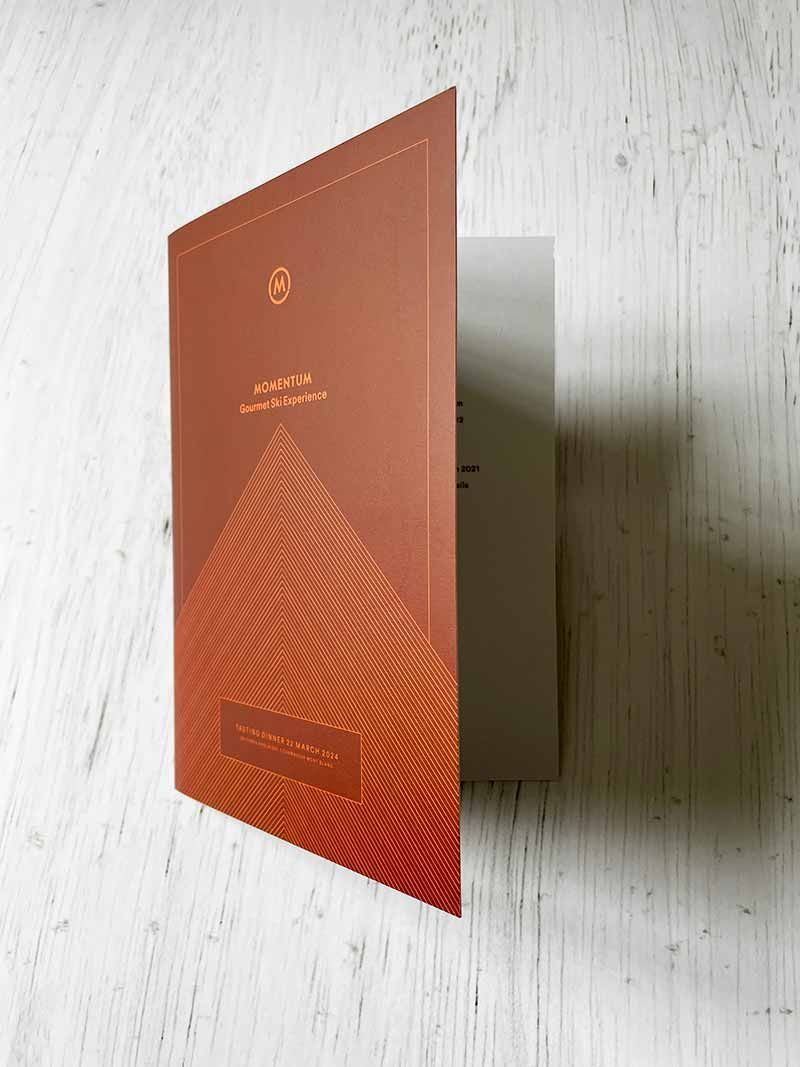
Don’t be afraid to get creative with your print materials! Use unique finishes, interesting fonts, and eye-catching imagery to make your print pieces stand out. Try using unusual or unexpected materials, and leverage bright colours and interesting patterns that will help grab attention. Avoid making your message overcomplicated in the drive to incorporate creativity. To ensure that your print marketing material remains effective, use active language and ensure your message is clear.

Showcase Your Brand at Business Events

Trade shows and fairs are the best places to showcase the products and services you provide. They also offer an ideal setting to develop a network of new and existing customers. Everyone attending a business event will be a potential customer. Print marketing materials, including banners, standees, and other signage, will help promote your brand. Be sure to hand over your brochure, catalogue, or business card for their future reference.

Use Print to Complement Other Channels

Print can be a great complement to other marketing channels. For example, print ads can drive traffic to your website or social media pages. All you need to do is mention the URL of your business website and social media page names or handles on your print marketing material. If you choose to do this, make sure they’re highly visible.

Think Outside the Traditional Print Ad

There are many ways to use print beyond traditional ads. Consider using print for direct mail campaigns, product packaging, or even creating unique branded items like custom notepads or stickers. The most popular brands have already adopted this strategy to promote their brand further.

Conclusion

By incorporating print into your marketing strategy, you can reach consumers in new ways and create a more well-rounded campaign. So don’t forget about print – it still has a place in today’s ever-changing marketing world! For best results, you should look for professional printing in Fulham.

To learn more about how to incorporate print into your marketing strategy or order high-quality print marketing material, get in touch with Vizability Media Group at the earliest. Our expert designers are excited to take on your marketing project.

By Tahir Chowdry January 12, 2026
January is the perfect time to refresh how customers find you, enter your space, and move through it. New signage is one of the fastest ways to lift your brand presence without overhauling everything. The trick is choosing the right sign for the job, matching materials to lifespan, and controlling cost from design to installation. Here is a practical guide to help you plan a cost‐smart sign update that looks sharp and lasts as long as you need. Sign types by use case Fascia signs: Your primary shopfront identifier. Box trays, flat panels, or built‐up letters with or without illumination. Ideal when you want visibility from a distance and clear brand recognition. Window vinyls: Great for seasonal messaging, opening times, and promotions. Options include removable low‐tack for quick swaps or cast vinyl for longer runs. Frosted vinyl supports privacy while letting light in. Wall graphics: Transform empty walls into branded space or wayfinding walls. Use self‐adhesive vinyl with laminate for wipeable surfaces, or print on wallpaper for a softer finish in offices and clinics. Directional and wayfinding: Foamex or acrylic panels for internal routes; Dibond for external directions. Consistent typography and iconography keep visitors moving without friction. Health and safety: Durable, clearly legible signs that meet HSE norms. Use laminated vinyls or rigid panels in kitchens, corridors, stairwells, and loading areas. A‐boards and pavements: Quick wins for footfall and offers. Choose sturdy frames with weather‐resistant prints and consider changeable poster inserts to reuse hardware. Costs at a glance: what drives the price? You asked how much custom signs cost, how much a shop sign costs in the UK, and what signs cost for a store. The honest answer, it depends on a few controllable factors: Size and format: Larger panels and complex cuts increase material use and print time. Multi‐panel façades also add alignment and fixing time. Substrate: Dibond, aluminium composite: excellent for long‐term, exterior fascia and external wayfinding. Higher upfront cost, low lifetime cost. Acrylic: premium gloss or frosted look for reception panels and illuminated fascias. Consider stand‐off fixings for a clean finish. PVC/Foamex: lightweight, budget‐friendly for indoor wayfinding and menu boards. Not suited to long, wet outdoor use. Cardboard/Display board: very cost‐effective for short campaigns and POS. Best indoors, short lifespan. Print method and finishes: Direct‐to‐board UV print is efficient for rigid panels. Cut vinyl lettering can be cheaper than full‐coverage print on small fascias. Add laminate for scuff and UV resistance when needed. Installation: Height access, permits, traffic management, or electrical work for illumination raise costs. Straightforward internal installs cost less. Turnaround: Standard lead times are more economical. Rush charges apply when you need it the same day or the next day. Typical guidance for the budget: Simple interior Foamex panels can start from tens of pounds per piece, while a well‐made fascia on Dibond or acrylic with installation can range from hundreds to low thousands, depending on size, illumination, and access. The best route is a quick spec call, then a written quote that aligns material and lifespan to your budget. Planning permissions and landlord approvals in London Do you need planning permission to put up signs? Sometimes. Here is what to check: Location and type: External shop signs usually fall under advertisement consent rules. If you change size, illumination, or position on the street, you may need consent from your local London borough. Listed buildings and conservation areas: Stricter controls apply. Even like‐for‐like replacements can require consent. Illumination: Internally or externally lit fascias often need permission. Check brightness, hours, and power routing. Landlord and lease: Many leases require landlord approval for external signage, window vinyls, and drilling. Allow time for drawings, samples, and RAMS if installing. Building control and highways: Large projections, fixings above public pavements, or installations at height may need additional approvals or timed access. Practical tip: Send photos, rough dimensions, and your proposed position to your signage partner early. You will get a quick read on feasibility and paperwork. Durability vs budget, a simple matrix Short‐term, lowest cost: Cardboard or unlaminated internal vinyl for events, sales, and seasonal windows. Expect days to a few weeks of good condition indoors. Medium‐term, good value: Foamex panels with protective laminate for internal or sheltered external use; PVC banners with hem and eyelets. Lifespan in months with proper care. Long‐term, premium: Dibond panels for exterior fascia and wayfinding; acrylic for premium reception and illuminated signs; cast or polymeric vinyls with laminate for multi‐year shopfronts. Higher start cost, lower replacement frequency. When to choose premium materials: go premium for primary identity points, places with high sun or weather exposure, and any sign that is difficult or expensive to access for replacements. Save budget on changeable messages by reusing hardware, for example snap frames or A‐boards with replaceable inserts. Sample policy for non‐urgent work If timing allows, ask for a material swatch or a printed sample. Samples help lock in colour, finish, and tactile feel, and they prevent costly reprints. For complex fascias, a scaled mockup and a small colour proof are sensible. For window vinyls, a test patch confirms adhesion and removal behaviour on your glass. How consultative guidance lowers lifetime cost Material choice, laminate type, fixings, and install timing all affect how long your signs last. A consultative approach aims to: Right‐size the spec: No over‐engineering for low‐risk interiors; no under‐spec for sun‐exposed south‐facing windows. Reuse where possible: Choose systems that let you swap graphics while keeping frames and mounts. Reduce reprints: Pre‐flight checks catch file issues. A first‐print inspection verifies colour and legibility before full run. Plan installs: Dry days for external adhesive work; correct primers on tricky surfaces; safe access booked to avoid delays. This is how you save in the long run, even if the unit price is not the cheapest on day one. Quick answers to common cost and supplier questions How much does it cost to make custom signs? It varies by size, substrate, finish, and installation. Budget small interior panels from tens of pounds, multi‐panel fascias from hundreds to low thousands. How much does a shop sign cost in the UK? A flat, non‐illuminated fascia on Dibond is commonly in the mid hundreds to over one thousand for typical high street widths, with installation and access as key variables. Illumination and built‐up letters increase cost. How much do signs cost for a store? Interior wayfinding and health and safety panels are cost‐effective in Foamex; expect a modest spend per panel. Feature walls and reception acrylics cost more due to materials and fixings. Do you need planning permission to put up signs? You may, especially for illuminated or external signs, listed buildings, or conservation areas. Always check with your local council and your landlord before production. Which company is best for printing? The best partner is the one who balances speed, clear guidance, and quality control. Look for in‐house production, pre‐flight checks, and a willingness to advise on materials to match your goals. Need cost‐smart signage in London? If you are planning a January refresh, a quick call and site photos will unlock a clear, itemised plan. Our team in Fulham provides consultative scoping, pre‐flight checks, material samples for non‐urgent work, and rapid production when deadlines are tight. We install across London and coordinate delivery or collection to suit your schedule. You can learn more about sign options and materials under London shop signs, see our broader print capability under digital printing in London, or use urgent printing London if you are working to a tight deadline. Summary: Choose sign types by purpose, pick materials to match lifespan, check permissions early, and use samples when time allows. With a consultative approach to specification and installation, you will reduce total cost and get a crisp, consistent brand presence across your fascia, windows, walls, and wayfinding. For quotes or guidance, send your brief and photos to hello@vmgldn.com or call 020 7736 7910. We will help you plan, print, and install on time and within budget.
November 20, 2025
If you're in need of high quality urgent printing, you are not alone. Autumn/ Winter in London is packed with launches, pop-ups, conferences, and campaigns. Deadlines tighten, artwork lands late, and plans change. You still need print that reflects well on your brand. That is where a calm, quality first, in house partner makes the difference. At Vizability Media Group, we keep production under one roof, run pre-flight artwork checks, and guide you on materials and finishes that meet the time and the budget. Below, you will find realistic timelines, smart shortcuts, and what to send us so we can get moving right away. Same day vs next day, and how to decide fast! Pick Same Day Turnaround when: Your event or activation is today or tomorrow morning. Quantities are modest, and formats are suited to digital presses or instant finishing. Artwork is press-ready, already proofed internally, and you can approve quickly. Pick Next Day Turnaround when: You can approve by mid-afternoon, and delivery or collection can happen tomorrow. You need higher quantities, special finishes, or stitching that add time. You want a little breathing room for a printed proof photo from our first sheet. Typical cut-off times: Same day print, artwork sign off by 11:00 to 12:00 for late afternoon or early evening collection. Next day print, artwork sign off by 15:00 to 16:00 for next business day collection or courier. For larger or complex jobs, call us early; we will map the fastest path. Artwork that helps us hit the clock: Supply print-ready PDF/X 1a or PDF/X 4; include 3 mm bleed and crop marks. Embed or outline fonts; keep images at 300 dpi at final size. Use CMYK, not RGB; include spot colours only if required. Provide a short note on the finish and orientation to avoid back and forth. If you are unsure, send what you have. Our pre-flight check catches common issues, and we will confirm the fastest fix :-) Realistic timelines by product Times below assume press-ready files and swift approvals. For very large quantities or special materials, we will advise the best alternative. Posters, A4 to A0: same day for short runs, often within 4 to 6 hours. Larger runs or outdoor stock, next day. For direct ordering, see our poster printing in London. Flyers and handouts: same day for digital runs up to a few thousand; next day for heavier stocks or laminates. Folded flyers may move to next day due to crease and fold time. Roller banners: same day for single units and small batches if artwork lands by noon; next day for larger sets. We assemble in house to control finish. Brochures and booklets: next day for short runs with staple binding; same day only for very small page counts and quantities. Perfect binding usually needs 2 to 3 days. Name badges: same day available, including data merges from CSV; we can supply lanyards and holders. For speed, use our london fast name badge printing service. Small signage and foam board: same day for core sizes; next day for contour cutting or special finishes. Vinyl cut or mounted pieces may extend slightly. If your list spans multiple items, we can stagger output, releasing must have pieces first, then the rest on a rolling schedule. How pre flight artwork review protects speed and quality Rushing without checks costs time. Our pre-flight process verifies bleed, resolution, colour mode, page size, layers, and font handling before we press go. If we spot a risk, we share a quick fix, correct it if you approve, or suggest a safe alternative that meets the deadline. We also run a first print check, share a photo or a quick video if you need reassurance, and watch for issues like cracking on heavy inks at folds. This prevents reprints and avoids overnight delays. For local teams under pressure, our artwork preflight service in Hammersmith outlines what we look for and how to submit files quickly. Cost control tips for rush jobs Time and budget can work together if you make a few smart swaps. Paper swaps: move from a 450 gsm board to a 350 or 300 gsm that creases cleaner in a rush, or switch silk to uncoated to avoid laminate lead times. Finish alternatives: skip spot UV or foils on a rush, and use a silk with matt laminate, or go unlaminated for flyers that need to land today. Gang runs and batching: combine multiple versions on one sheet to reduce set-up time, or split a big run into a same-day partial plus a next-day balance. Format tweaks: shaving a few millimetres to fit standard SRA sizes can speed trimming and reduce waste. Colour management: Stick to CMYK builds rather than special colours unless brand rules are strict. This keeps you on a fast digital path. If you tell us the purpose of the piece, we will recommend the best material for the job, and the most efficient route to press. Collection and delivery across London zones You can collect from us, or book a courier. We support: Same-day collection from our Fulham and Hammersmith locations by arrangement. Local courier to Zones 1 to 3 with timed windows where possible. Late-day or evening bike or van delivery for urgent drop-offs. Next day, nationwide couriers for jobs leaving London. When time is tight, collection is the fastest. For delivery, share access details and contact numbers. We label boxes clearly and can split drops if needed. Quick answers to common questions Where do I print if I do not have a printer in the UK? Use a trusted local print partner with in house capability. Walk ups at copy hubs can work for simple documents, but for branded work, same day quality needs proper presses and checks. We help visitors and teams on the road every week. What is the best online printing service? The best service is the one that balances speed, quality, and real human checks. If you need speed plus premium finish in London, an on the ground partner beats a remote online only portal, because artwork issues get solved in minutes, not days. If you have time, online aggregators can be fine for standard items. For urgent printing london, we keep production in house. Can I print documents at supermarkets or the post office? Some supermarkets have kiosks for photos or simple documents, and some post offices offer copying. They are useful for one off pages. For colour critical brand materials, large formats, or anything client facing, use a specialist. Why are prints so expensive in London? Costs reflect high-quality materials, skilled operators, city logistics, and the real price of rush work. Urgent jobs require set up time outside standard queues, premium couriers, and extended staffing. A good partner offsets this with efficient imposition, paper choices, and batching, so you pay for impact, not waste. How can I spend less on printing costs? Simplify finishes, choose standard sizes, use stocks that trim without laminate, and approve proofs quickly. Share your intended use so we can suggest equivalents that look the part but run faster. Ordering a partial same day, with the balance next day, often saves significantly. Why choose VMG for fast, premium results In-house presses and finishing for speed and control. Pre flight checks that remove risk before it slows you down. First print review, with quick photo proofs for peace of mind. Practical guidance on stocks and finishes that fit your timeline. Flexible logistics, from late collections to multi site drops. If you need posters in london today, brochures printing london this week, or last minute badges for a conference, we will map the fastest, safest route and keep you updated at every step. Ready to move Send your files and the deadline. Tell us where it needs to be and how it will be used. We will confirm timeline, materials, and cost, then get to work. For urgent bookings, call us now or use the enquiry form on our site. If it has to be today, say so in the subject line. We will prioritise and respond quickly.
By James Winzar February 28, 2025
Startups that incorporate print into their strategy cut through digital noise, build trust faster, and create lasting brand impressions. And when done right, it’s more affordable and measurable than most founders think. Let’s break down exactly how print marketing solves some of the biggest pain points startups face today. 1. Struggling to get noticed? Print grabs attention like no other Every startup fights the same battle: getting seen in an oversaturated market. You’re pouring resources into, Google Ads, and social media, only to be drowned out by established competitors with bigger budgets. How print solves this Unlike digital ads, which can be scrolled past or blocked, a well-designed business card, flyer, or brochure demands attention. People physically engage with print in a way they don’t with digital- it’s tangible, it’s real, and it sticks around longer. Instead of relying solely on online ads, leave strategic print materials in coffee shops, co-working spaces, and industry events. When done right, this kind of guerrilla marketing creates real-world touchpoints with your audience. 2. Digital ad costs are skyrocketing & print is a smarter investment Google and Facebook ads are becoming increasingly expensive. The cost-per-click for competitive keywords has soared, meaning startups are paying more but seeing fewer conversions. How print solves this Print has a longer shelf life and requires just a one-time investment. A potential customer might ignore an email ad in seconds, but a high-quality printed piece sits on their desk for weeks. For example, a startup offering a subscription service could send beautifully designed postcards with a QR code linking to an exclusive first-month discount. That piece of print isn’t just an ad, it’s an invitation. ROI. Spending £500 on Google Ads might get you 100 website visits, but £500 on premium flyers or brochures could get your brand in front of over 1,000 potential customers in a far more memorable way. 3. Lack of trust? Print instantly elevates credibility Startups often struggle with trust, why should customers take a chance on an unknown brand? A website is great, but anyone can create a basic site. How print solves this Physical marketing materials signal legitimacy. A well-designed business card, branded letterhead, or premium packaging gives the impression that your business is established, credible, and worth paying attention to. A SaaS startup pitching investors will look far more professional with a printed pitch deck instead of just a digital slideshow. It demonstrates commitment and sets you apart. Always carry high-quality business cards. Not cheap, flimsy ones, the kind that feel premium. The subtle impact of a good texture, thick cardstock, or embossed logo makes a lasting impression. 4. No one reads your emails? Direct mail actually gets opened If you’re like most startups, you’re relying on email marketing. But here’s the brutal truth: most of your emails never get opened. Inboxes are overloaded, spam filters are aggressive, and cold emails rarely get a response. How print solves this Physical mail has an open rate of over 90 percent, compared to email’s average open rate of 20-30 percent. That’s a huge difference. In a world where digital messages are ignored, a beautifully designed direct mail piece stands out. A startup selling a high-end product could send a personalised, well-designed direct mail piece to select leads. Unlike a generic email, a physical invitation, mini brochure, or handwritten note demands attention. Combine print with digital for better results. A postcard with a QR code linking to a personalised video message makes a lasting impression. 5. Events and networking are still king. Print makes you unforgettable If you’re attending industry events, conferences, or networking meetups, you know the challenge: standing out among hundreds of other businesses. How print solves this Everyone collects business cards at events, but a creative, unexpected print piece makes you stick in their minds. Instead of just a business card, a creative agency could hand out mini portfolio booklets showcasing their best work. A fintech startup could provide pocket-sized industry trend reports that subtly promote their expertise. Think beyond business cards. A well-designed brochure, sticker, or branded notebook keeps your startup on people’s desks, not forgotten in a pile of emails. 6. Concerned about sustainability? Modern print is eco-friendly One hesitation startups have about print marketing is its environmental impact. But in 2025, sustainable printing is more accessible than ever. How print solves this • Recycled materials • Eco-friendly inks instead of chemical-heavy traditional inks • Print-on-demand to minimise waste A green tech startup could print brochures on 100 percent recycled paper with a call-to-action about sustainability, reinforcing their brand values. Promote your sustainability efforts. Include a note on your print materials about the eco-friendly processes used, customers appreciate brands that make responsible choices. Final thought: Print marketing isn’t old-school, it’s just smart If you’re a startup, you can’t afford to blend in. While every other new business is battling for digital ad space, print marketing offers a cost-effective, high-impact way to cut through the noise, build trust, and drive real-world engagement. Here’s your startup print playbook for 2025: • Premium business cards to build credibility • Creative print giveaways to make you unforgettable at events • Direct mail campaigns with personalised QR codes for higher engagement • Tactile brochures or mini lookbooks that customers actually keep • Eco-friendly printing options to reinforce sustainability values Ready to make your startup stand out? At VMG Fulham, London, we help startups turn print marketing into a growth engine. Whether you need high-quality business cards, creative direct mail, or sustainable print solutions, we’ve got you covered. Get in touch today to explore print strategies that actually drive results.
More Posts